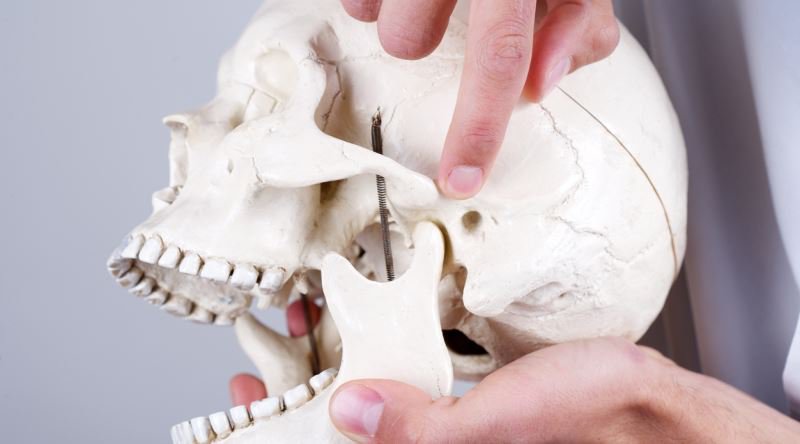
Jaw dislocation occurs when the joint suddenly moves forward at the end of the mouth-opening movement. A jaw dislocation can also occur even when there is no apparent problem. For this reason, jaw dislocation treatment is widely researched.
Known in Latin as subluxation, and commonly referred to as jaw dislocation, this condition occurs when the joint suddenly moves forward at the end of opening the mouth. Jaw dislocation can happen even without any underlying issue, which is why jaw dislocation treatment is frequently investigated.
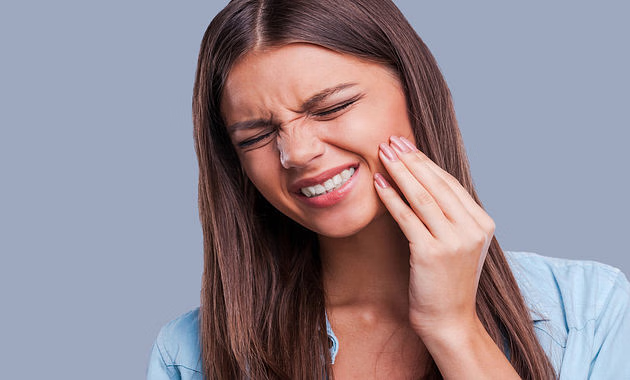
Unilateral or bilateral dislocation can be identified by the inability to close the mouth and by joint sounds. Jaw dislocation occurs with a painful moment during sudden movements, followed by ongoing pain and discomfort. This pain, originating from the jaw joints, may spread to the head and neck area. The cause of the pain is pressure applied to the capsule wall of the jaw joint. In addition to pain, jaw dislocation can also be recognized by sounds coming from the joints.
In cases of unilateral jaw dislocation, asymmetry may appear in the lower part of the face. In the event of jaw dislocation, it is necessary to visit a dentist urgently. During this period, activities that strain the jaw should be avoided and hard foods should not be consumed. Until examined by a physician, sudden movements should be avoided and the jaw should not be forced back into place.
Jaw Joint Disorders
Jaw joint disorders include jaw dislocation and cover various problems occurring in the jaw area that are researched as much as jaw dislocation treatment. It is a tissue-bone disorder affecting the jaw joint bones and soft tissues that connect the lower jaw to the upper jaw. In this condition, symptoms ranging from mild (such as clicking sounds) to severe (such as jaw locking) may be observed. There are many causes for this, including accidents, incorrect treatments, stress, and habits. Over time, jaw joint disorders may worsen. Therefore, the earlier treatment begins, the higher the success rate.
Jaw disorders occur when coordination between the joint and surrounding structures is disrupted suddenly or over time. Gradually, mild symptoms such as severe joint pain, head, neck, and shoulder pain, joint noises, jaw protrusion, shifting, or limited mouth opening may turn into more serious problems. A dental examination helps identify the cause of the disorder and is the first step in treatment.
Some of the diseases and conditions caused by jaw joint disorders include:
- Jaw dislocations
- Sounds coming from the jaw joints while eating
- Pain or mild aching
- Difficulty opening or closing the mouth
Some of the causes of these disorders can be grouped into three categories:
Dental Treatments:
- Pressure applied to the jaw during wisdom tooth extraction
- Orthodontic treatments
- Improperly performed crowns and fillings
- Habits Affecting the Individual’s Jaw and Jaw Structure:
- Lip biting or chewing
- Frequently sleeping face down and making it a habit
- Resting the chin on the hand, applying pressure to the jaw
- Chewing gum for long periods
- Prolonged exposure to wind (especially for motorbike riders)
- Poor posture
A Stressful Lifestyle:
A stressful lifestyle causes jaw problems to occur more frequently compared to individuals with lower stress levels. People under intense stress tend to constantly tense their facial muscles. For this reason, they may experience jaw joint problems more severely.
What Are the Symptoms of Jaw Joint Disorders and Jaw Dislocation?
Jaw joint disorders do not appear in a single day. Symptoms develop gradually over time. If treatment is delayed, these symptoms become more severe and significantly affect quality of life. In cases such as jaw locking or jaw dislocation, jaw dislocation treatment may be required.
- Clicking or popping sounds while opening the jaw
- A feeling of the jaw getting stuck while yawning
- Difficulty or inability to open the jaw in the morning
- Pain around the jaw joint and ear while eating
- Back and neck pain (especially in women)
In the advanced stages of jaw joint disease, the tissue structure of the joint area may become permanently deformed. During opening and closing movements, the joint head may move forward from its proper position and the lower jaw may shift. The main issue here is not misalignment of the jaw itself. With certain simple movements, the jaw may return to its position automatically. The real problem is the frequent recurrence of this condition over time and the severity of the pain.
There are several points that individuals with jaw joint complaints should pay attention to. Some of these include:
- Consuming soft foods (such as cake, pasta, soup) especially for three weeks
- Avoiding excessive stretching of the jawbone and muscles
- Avoiding sleeping face down as much as possible
- Giving up the habit of biting the lips
- Applying a warm towel to the joint area in the morning
- Avoiding stress as much as possible
The muscles in the facial area can contract with even the slightest stimulus. One of the effects of stress on people is prolonged muscle contraction without relaxation. As a result, muscles tense under pressure, the teeth clench together with great force, and additional load is placed on the jaw joints.